

October 2025 brought a splash of economic news from Saudi Arabia that many did not see coming. Non-oil exports surged by an impressive 32.3 percent compared to the same month in 2024. What happened? Why this sudden increase? The General Authority for Statistics (GASTAT) dropped the figures on Thursday, painting a picture of a shifting economic landscape.
The heart of this story lies in the numbers. National non-oil exports saw a modest bump of 2.4 percent, yet total merchandise exports climbed 11.8 percent. This rise contributed significantly to a trade balance surplus that soared by 47.4 percent from last year. Imports, on the other hand, rose by 4.3 percent. But here's the kicker: the ratio of non-oil exports to imports jumped to 42.3 percent, up from 33.4 percent the previous year. That's a big leap.
Diving into the details, electrical machinery and parts led the non-oil export category, making up 23.6 percent of the total. The chemical industry wasn't far behind, accounting for 19.4 percent. Imports told a similar tale. Electrical machinery and parts took the top spot, comprising 30.2 percent of imports, with a hefty 26.3 percent rise from October 2024. Yet, not everything went up. Transport equipment and parts fell by 22.9 percent, making up 12.1 percent of total imports.
China remains a key player in this economic drama. It's the Kingdom's top trading partner, gobbling up 14.1 percent of exports and supplying 24.8 percent of imports. Together with the Kingdom's top ten trading partners, they account for a hefty 70.4 percent of exports and 67.7 percent of imports.
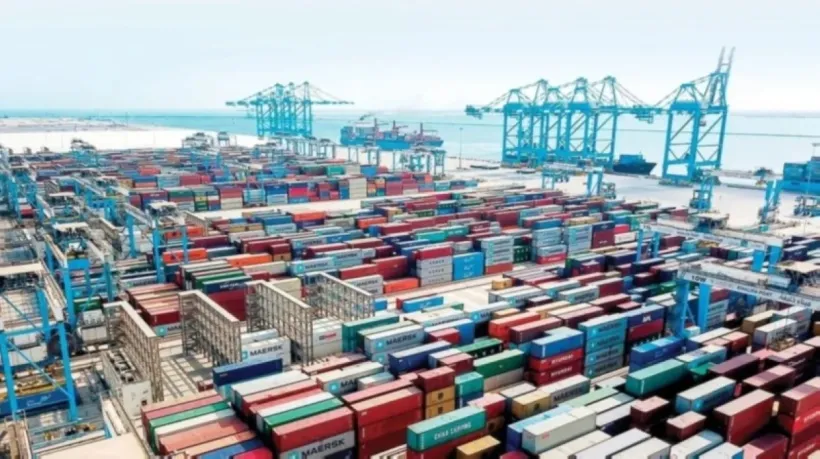
Then there's King Abdulaziz Port in Dammam, reigning supreme among customs ports, handling 25.7 percent of total imports. It's a bustling hub, no doubt.
So, what does all this mean? It's clear Saudi Arabia's economic fabric is weaving itself into a new pattern, one that might just redefine its future on the global stage.




Comments
Log in to write a comment