

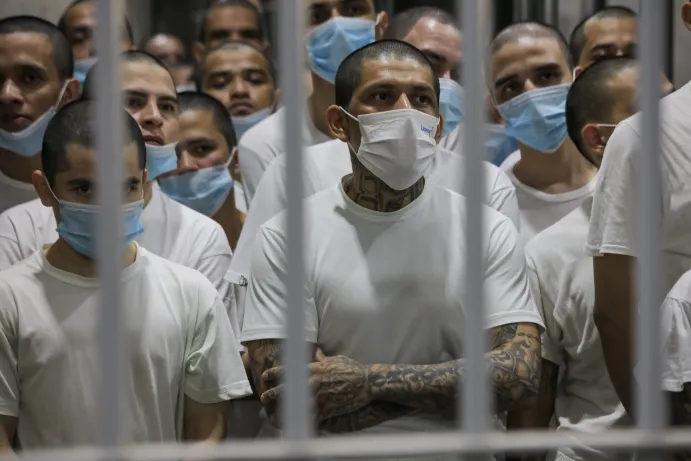
"Hell." That's how former prisoner Louise Munoz Pinto described his arrival at El Salvador's Centro de Confinamiento del Terrorismo (CECOT) prison. It's a chilling place where 252 Venezuelan men found themselves after being deported by the Trump administration back in April. This story, potentially explosive, was meant to air on CBS's 60 Minutes but was yanked from U.S. screens at the last minute. Yet, for a brief moment, Canadians caught a glimpse when it accidentally hit Global TV’s app and website.
The Story That Almost Wasn't
So what happened? CBS News editor-in-chief Bari Weiss decided to pull the plug on the segment, citing the need for more voices and additional reporting to balance the piece. She emphasized the importance of context and critical voices, saying, "My job is to make sure that all stories we publish are the best they can be." But this decision didn't sit well with everyone.
60 Minutes reporter Sharyn Alfonsi, who spearheaded the segment, was far from pleased. In a letter to her colleagues, Alfonsi stood by her work, arguing that the story had already been vetted multiple times by CBS attorneys and Standards and Practices, suggesting that the network's call to hold the story was far from impartial. "It's not an editorial decision," Alfonsi wrote. "It's a political one."
Politics and Media: An Unholy Union?
The relationship between Trump and 60 Minutes has been fraught with tension. After all, the show recently settled a lawsuit with Trump for $16 million over allegations of deceptive editing. The aftermath saw the Federal Communications Commission approve a significant merger for CBS’s parent, Paramount, with Skydance Media, a company backed by Trump supporters Larry and David Ellison. Coincidentally, these same Ellisons acquired Weiss’s media startup, the Free Press, and appointed her to head CBS News. The timing and connections are, at the very least, eyebrow-raising.
The internal memo that leaked to Axios further complicates matters. Weiss detailed a need for input from Trump’s administration, suggesting that without it, they’d be shortchanging their audience. Yet, Alfonsi claims efforts to get GOP officials on record were stonewalled, hinting at strategic silence aimed at burying the piece.
The Broader Implications
This incident raises fundamental questions about the media's role in holding power to account. At the heart of the matter is whether editorial decisions are being influenced by political allegiances or corporate interests. When a story that sheds light on human suffering and potential governmental overreach is held back, many wonder who's really calling the shots.
For now, the segment remains shelved in the U.S., but the brief Canadian airing has sparked enough curiosity and controversy to keep the conversation alive. And as the dust settles, one can't help but ponder: what other stories aren't making it past the gatekeepers?



Comments
Log in to write a comment