


Blood on the ground, lives torn apart, and then, finally, a ceasefire. Thailand and Cambodia have decided to halt hostilities after weeks of brutal clashes along their shared border. This isn't just another headline. It's hope for thousands who've been caught in the crossfire.
A Fragile Peace
At noon, as the sun beat down on the scarred land, an agreement took hold. The defense ministers of both nations announced a ceasefire, a pause in the violence that had claimed at least 41 lives and displaced nearly a million people. The world watched as they shook hands, knowing all too well how fragile such promises can be.
They've agreed to stop moving troops and let civilians return home. The ceasefire, effective immediately, is a chance for peace, but it's on probation. If it holds for 72 hours, Thailand will release 18 Cambodian soldiers it holds captive. That's the plan.
The Bitter Past
The talks that led to this truce weren't short or easy. Days of negotiations filled with tension and distrust. But the pressure was on. Earlier clashes had upended the border's precarious peace, with accusations flying from both sides. The Thais say they were merely responding to Cambodian fire in Ubon Ratchathani Province. Meanwhile, Cambodia insists it was the Thai forces who struck first in Preah Vihear Province.
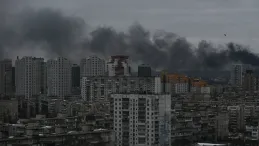
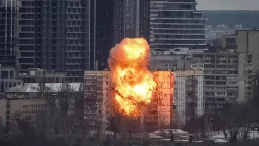
The fighting reached a fever pitch in December. Just this past Friday, Thai airstrikes hit a disputed area, targeting what they called a "fortified military position" after evacuating civilians. Cambodia called it an "indiscriminate attack" on civilian homes. The truth? It depends on who you ask.
A Longstanding Grudge
This isn't a new story. The animosity between Thailand and Cambodia has roots stretching back over a hundred years. The latest flare-up began in May when a Cambodian soldier was killed. By July, the border was a battlefield, with five days of intense fighting leaving dozens dead and thousands homeless.
International intervention, including efforts by Malaysia and a rare appearance by US President Donald Trump, brokered a ceasefire in late October. Dubbed the "Kuala Lumpur Peace Accords," it called for heavy weapons withdrawal and set up a team to monitor the area. But peace was short-lived. By November, Thailand paused the agreement, citing ongoing security threats. Prime Minister Anutin Charnvirakul wasn't convinced the danger had lessened.
Looking Ahead
So here we are, another ceasefire, another attempt to calm the storm. Will it last? That's anyone's guess. But for now, the guns are silent, and families are trying to rebuild lives interrupted by war. The stakes are high, and the world watches with bated breath.



Comments
Log in to write a comment