

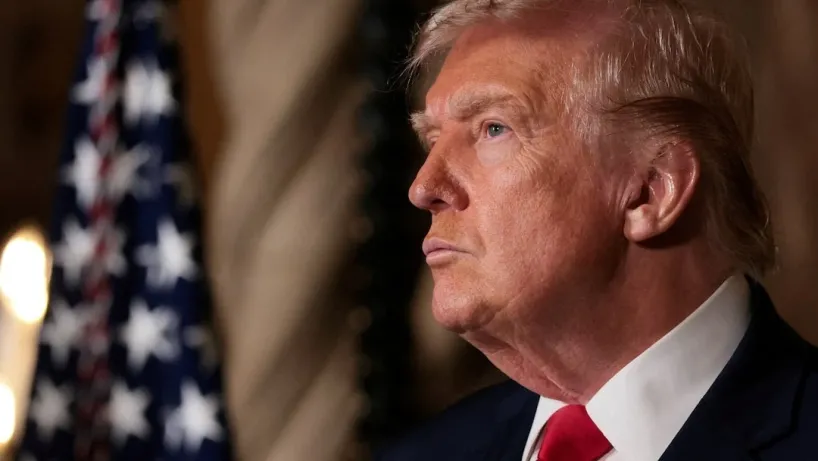
It's a bold, and some might say brash, move that's shaking up America's long-standing relationship with immigration. From its earliest days, the United States has been a beacon for those seeking a better life, a place where freedom and opportunity were the currency of the land. Fast forward to today, and we're staring down a new reality: a $100,000 fee for H-1B visa applications.
President Trump, alongside Commerce Secretary Howard Lutnick, seems to envision this as a potential windfall for the U.S. Treasury, possibly raking in $100 billion or more. But hold on. Immigration attorneys are raising red flags, warning that such a steep increase could throw a wrench into the economy's gears. It might cost more than it brings in.
On the same day this fee was upheld, the Department of Homeland Security announced a shake-up of its own. The current lottery system for H-1B visas will be replaced with a weighted selection process. The idea? To push employers to sponsor higher-paid, higher-skilled foreign workers, which could help curb wage arbitrage. In the mix are proposals for a wage floor, too.
The H-1B visa, often the golden ticket for tech giants like Amazon, Tata Consultancy, Microsoft, Meta, and Apple, is now more than just a lottery ticket. The new fees might change the game, especially for certain jobs and companies. Alexis DuFresne, who's at the helm of Archer Search Partners, breaks it down simply: the fee's fine for superstar roles and high-revenue generators. But for more mundane positions? It changes everything.
"You're not going to cast your net globally," DuFresne states bluntly. Hiring decisions, especially for everyday roles, could shift toward domestic talent. And for smaller firms without the financial buffer? They might feel the pinch the hardest.
The tech sector, ever the chameleon, is already adapting. Google, for instance, is stepping up its efforts to transition employees from H-1B visas to more permanent residency. They're ramping up their PERM applications, paving pathways to green cards and the promise of long-term stability in the U.S.
Then there's India, a major player in the H-1B scene. Indian IT giants face added costs for a workforce that's crucial to their operations in the U.S. The unpredictability, compounded by recent visa appointment delays, has left many Indian professionals on edge.
All eyes are on the ongoing legal battle, Chamber of Commerce vs. U.S. Department of Homeland Security, in Washington's federal court. The outcome could shape the future of immigration policy, the tech industry, and beyond.
— With insights from Jake Bleiberg and Erik Larson.








Comments
Log in to write a comment