

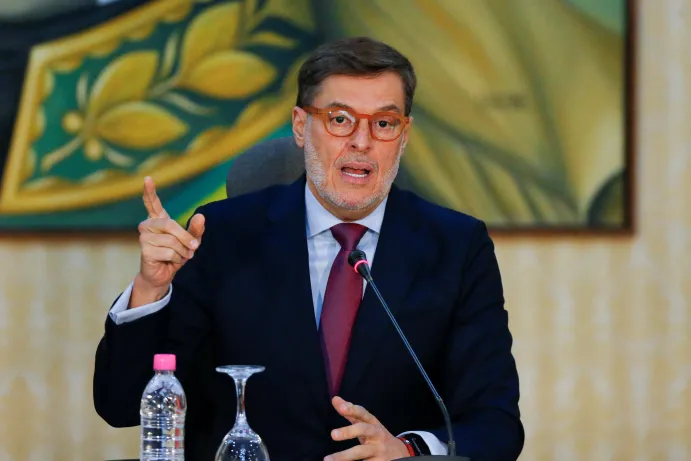
It's a move that screams of audacity and desperation—or perhaps, calculated power play. Venezuela's rage is palpable as it accuses the United States of committing the 'greatest extortion' at an emergency session of the UN Security Council in New York this week. The tension is thick enough to slice with a knife.
The Venezuelan ambassador to the UN, visibly seething, didn't mince words when he likened Washington's seizure of two Venezuelan oil tankers to an act 'worse than piracy.' The emergency session was called specifically to address this contentious issue, which erupted off Venezuela's coast earlier this month. And there's no cooling off in sight—the US is also gunning for a third tanker.
Trump’s Heavy-Handed Approach
President Trump hasn't shied away from pointing fingers. He accuses Venezuela's President Nicolas Maduro of helming a drug cartel, alleging that criminal gangs have operated with free rein for too long. So what did Trump do? On December 16, he ordered a naval blockade against all sanctioned oil tankers touching Venezuelan waters, a bold move, if not a reckless one.
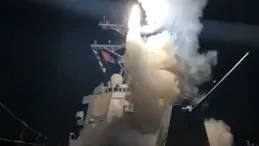
According to Trump, the US plans to keep or sell the crude oil from these seized vessels, along with the ships themselves. It's a statement of intent, backed by muscle—the US has deployed 15,000 troops, along with a formidable fleet of aircraft carriers and destroyers, to the Caribbean.
Stopping Drugs, Or So They Say
The stated mission? To cut off the flow of fentanyl and cocaine to American shores. But critics—and there are many—aren't buying it. In recent months, more than 20 vessels in the Pacific and Caribbean have been targeted, with at least 90 lives lost as part of Trump's crackdown on gangs he claims are trafficking drugs in the region. Some experts are raising eyebrows, suggesting these strikes could cross the line of legal warfare.
Venezuela's UN envoy, Samuel Moncada, is furious, calling it 'the greatest extortion' his nation has ever faced. In fiery remarks at the UN Security Council, Moncada decried what he sees as a foreign power acting outside the bounds of international law, demanding Venezuelans abandon their homeland. He didn't stop there.
International Reactions and Diplomatic Tensions
Moncada slammed the US for what he described as pillaging and looting, a fresh chapter in the long history of colonial exploitation. He questioned how the seizure of oil ties into the alleged drug trade the US is so determined to quash. The US, however, isn't budging. Ambassador Michael Waltz reiterated that the US doesn't recognize Maduro as Venezuela's legitimate leader. In Waltz's view, Maduro's ability to sell oil props up his contested power and alleged narco-terrorism.
But Venezuela isn't alone in its outrage. Russia and China have joined the fray, accusing the US of bullying. Russia's ambassador Vassily Nebenzia warned that other countries might face the same fate, calling the US's actions a 'template for future acts of force against Latin American states.' Meanwhile, China's envoy Sun Lei urged the US to 'immediately halt relevant actions' to stave off further escalation.
As President Maduro clings to the support of the Security Council, the world watches with bated breath. The stakes are high. And the question lingers—what's next?
Comments
Log in to write a comment